
Find One Work Task an AI Agent Can Take This Week
Run a 10-day audit to pick a recurring workflow an AI agent can run end to end, then automate it with before and after notes.
Run a 10-day audit to pick a recurring workflow an AI agent can run end to end, then automate it with before and after notes.

The solver era got sold to pros, and the tooling went with them: $1,100 licenses, 128GB of RAM, tree-building tutorials. Meanwhile the rest of us played charts. There's now a version of the engine that assumes you're one of "the rest of us" — here's what it looks like from the normal-player side.
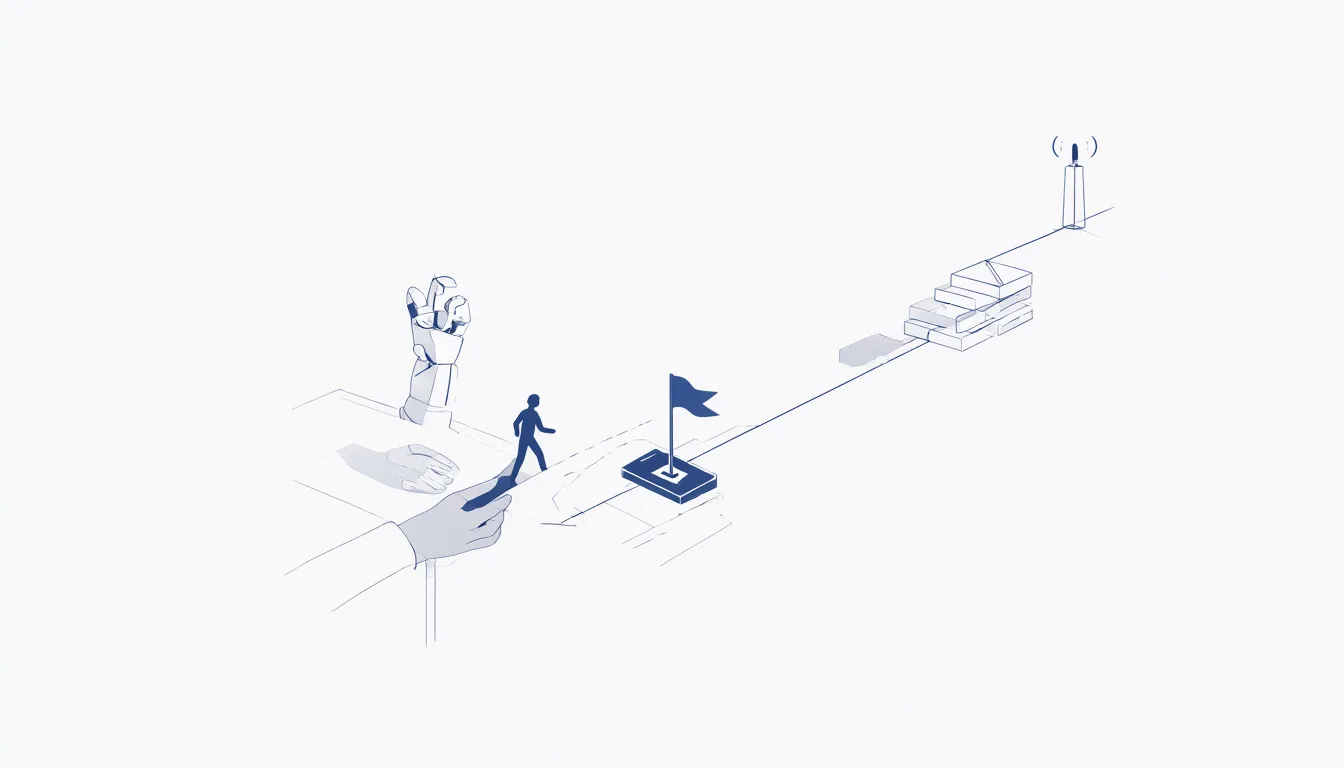
Pick a recurring AI-assisted task, set the checks, override only when a check fails, and log each catch so your judgment becomes visible.

When your company has no AI plan, document one workflow, deepen two recurring tasks, and make one result visible.

A task audit shows where AI is standard, where judgment still matters, and which task to own this week.

Turn your AI use into a visible, measurable gain with a simple audit you can finish this week.

Turn AI job titles into the real skill bundles, match them to emerging roles, and tailor your resume this week.
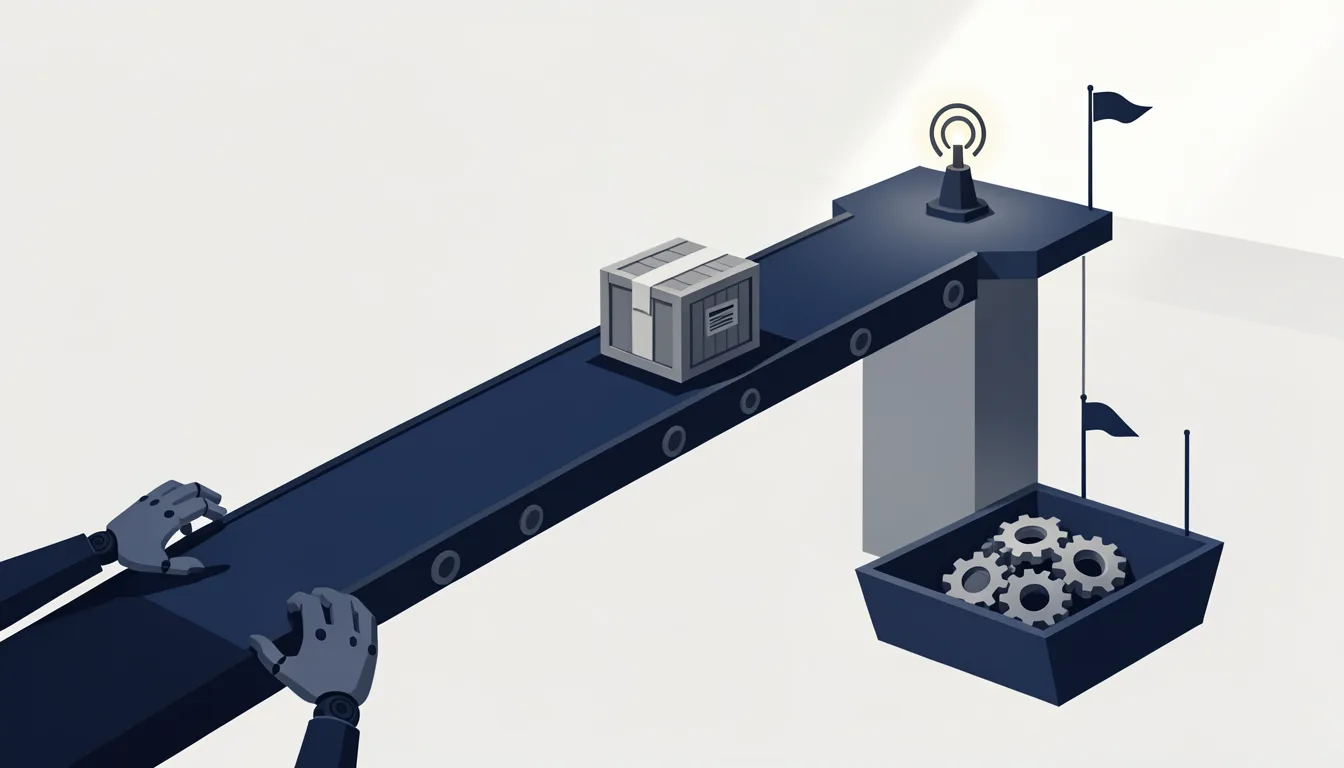
Audit your work for user-facing results, compare activity to shipped value, and build the judgment skills that keep you employable.

Audit your week for seven AI-ready tasks, rank them by reported gain, and implement one this week to build a measurable edge.

Let AI classify and prioritize alerts, but keep true-positive confirmation and behavioral judgment with you.

Convert fuzzy AI pressure into a mission brief with a problem, owned work, metric, decision authority, and a next role.

A short proof turns ordinary work into AI-adjacent evidence recruiters can read.

Ask for one named AI training or awareness measure, get written completion proof, and log it as a dated, employer-supported AI competence item.

A practical path for non-technical professionals: move from doing tasks to making judgments, owning workflows, and proving outcomes.

A quick checklist helps you act like the top AI users: keep a task human-only and pause before assigning work between AI and people.

Show employers you can onboard, control, monitor, review, and retire AI agents, not just write prompts.

Signal verification, governance, integration, production ownership, and tradeoff judgment so AI-heavy teams see you as the person who makes generated code safe to ship.

Treat AI coding spend like an engineering constraint, then show the savings on your résumé.

Audit three routine tasks, target two adjacent digital roles, and add one skill or credential to your resume this week.

The practical focus is not writing more code; it is making agent-assisted code reviewable, versioned, tested, and safe to ship.

Before TGS 2026, ship a bounded AI-assisted prototype and publish a 300-word postmortem with a build link.

Build a 7-day proof stack for spec, debug, review, production ownership, and AI supervision. This is a sprint to build interview evidence, not a guaranteed hire.

Stop debating whether AI will take your job. Add three résumé signals that can show you can use AI, catch errors, and own measurable outcomes.