Stay employable in security: AI sorts alerts, you judge
Let AI classify and prioritize alerts, but keep true-positive confirmation and behavioral judgment with you.
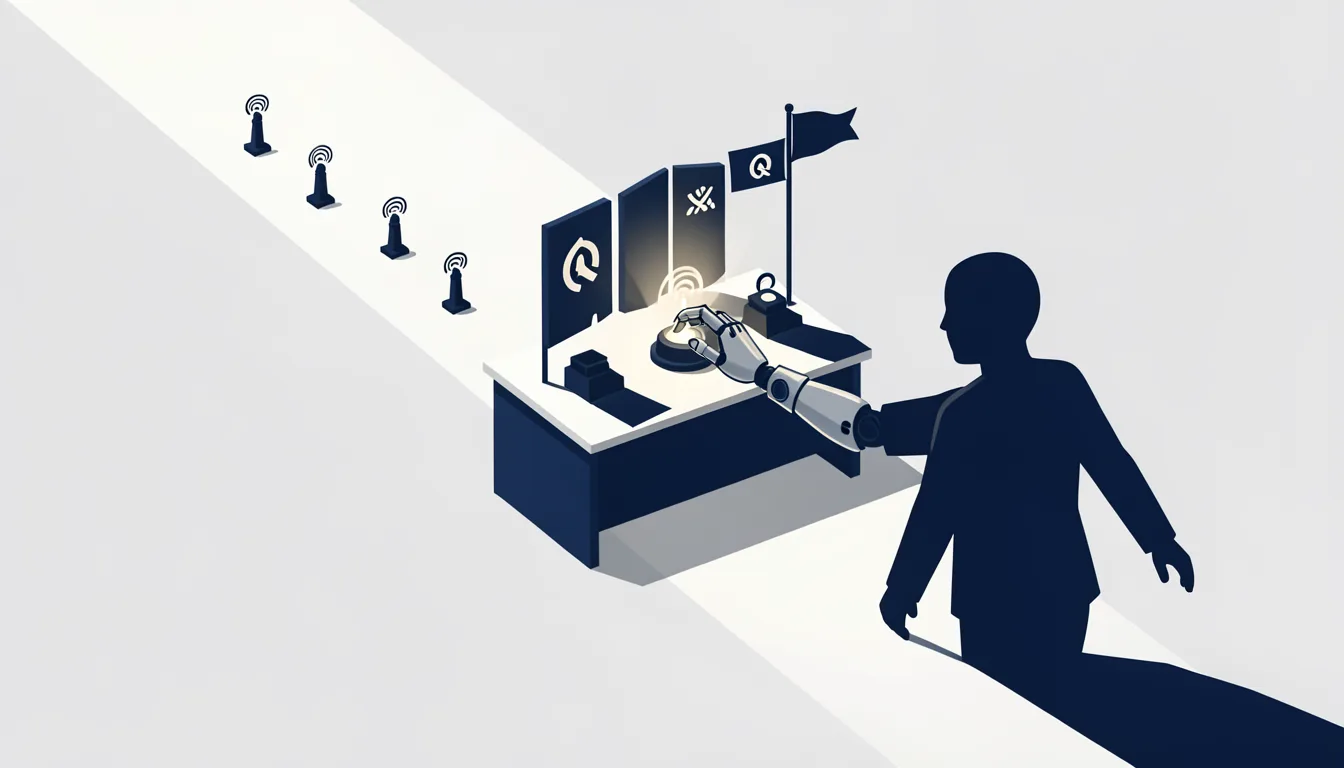
AI is already in your queue, and it fails in predictable ways
Your alert queue already has AI in it. Active use of generative AI among security practitioners reached 78 percent in 2026, up from about half the field a year earlier. The 2026 SANS AI Survey gathered input from 536 cybersecurity and IT practitioners worldwide, plus a module completed by 57 senior security leaders.
At the same time, 63 percent of practitioners said AI threat detection and response had significant shortcomings in 2026, up from 45 percent in 2025. The failures clustered around false positives, novel or unfamiliar threats, and output that sounded confident while being wrong.
The risk is that the same model that clears routine alerts can make a bad call look authoritative. A team that trusts output without checking it is outsourcing judgment to a system that has not earned that trust.
The employable split is simple to state
Let AI do the sorting: classify alerts, rank vulnerabilities, and push likely false positives down the queue. Keep the calls that require confirmation and judgment. Practitioners were more at ease with AI handling threat triage and vulnerability ranking than with it validating true positives or assessing unusual behavior.
Training expectations moved too: 73 percent of practitioners said AI changed what their teams needed to learn in 2026, up from 51 percent in 2025. The new duties are oversight and integration, not just old analyst work with a model attached. If you cannot show how you supervise the model, the model is a liability, not a skill.
Say the split in a meeting: AI ranks the queue, summarizes indicators, and flags known patterns. You decide whether the alert is real, whether the behavior is suspicious, and whether the response is proportionate. If the split is vague, the work fails.
Employability comes from the split. Employers do not need another person who can run a tool. They need someone who can say what the tool does, where it fails, and what happens after it fails.
Avoid treating AI as a senior analyst. It can be a fast junior triage tool, but it does not carry accountability. When you describe your role, make the accountability explicit. You own the confirmation, the escalation, and the explanation to the business. When an AI call fails, your job is to catch it, explain it, and decide the next step.
Daily work should show the split, not just mention it
A checklist is useful only if it changes what you do in the queue. Use these as quick tests for the parts of the job that should stay human. If you cannot answer an item, you have found the gap before an interviewer or incident does.
- Name the AI step that classifies alerts before you touch them.
- Show a detection and explain why it was not a false positive.
- Point to a behavioral anomaly you judged that a rule or model missed.
- State the false-positive tolerance you use and what you do when it climbs.
- Explain how your training changed when AI oversight was added.
Confirmation stops you from approving a bad call, behavioral judgment catches what a model has not seen, false-positive tolerance stops the queue from overloading the team, and training change keeps the role from becoming outdated.
Make your split visible before your next interview
Employers will not ask whether you use AI. They will ask what you refuse to delegate. Your answer should be short: AI sorts, you confirm, you judge, you train. If you can say that with examples, you are employable.
Keep the examples small and concrete: an alert, an unusual pattern, an escalated issue, or a false positive. You do not need a dramatic incident. You need evidence that you can separate model output from professional judgment.
This week, pick a queue, label the AI step, and write down the calls you refused to delegate. Set up a weekly review around true positives and behavioral anomalies, refresh your training around the same split, and update your profile to show it.